Sydney Commercial Roof Solutions Guide
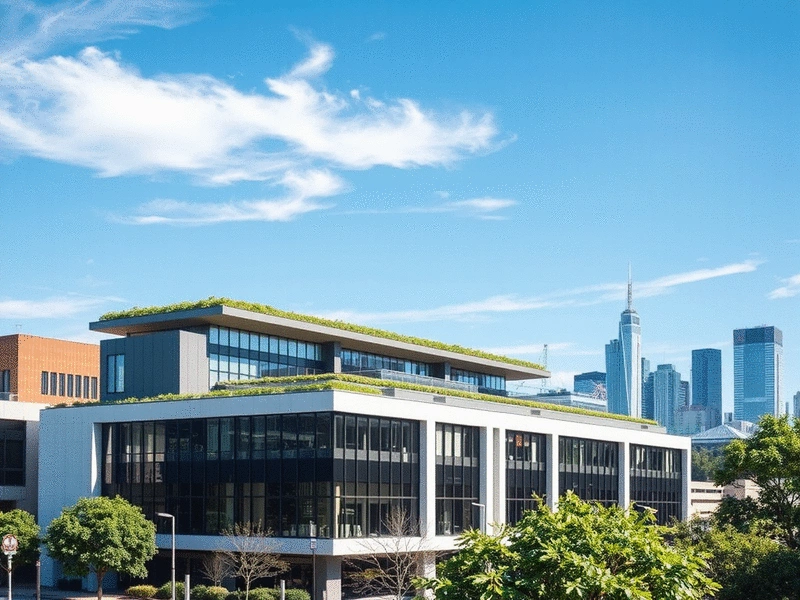
When it comes to roofing for commercial buildings in Sydney, understanding the differences between low-slope and flat roofs can significantly impact your investment. How do you choose the best option for your needs? Here’s a concise overview to guide your decision-making process.
What You Will Learn
- Low-slope roofs have a gentle incline, facilitating drainage while allowing for maintenance access.
- Flat roofs are nearly level, providing expansive surfaces ideal for installations like HVAC units and rooftop gardens.
- Choosing the right roofing system can minimize long-term maintenance costs and extend the roof's lifespan.
- Insulation for low-slope and flat roofs improves temperature regulation and energy savings, ensuring occupant comfort.
- Professional assessments can identify potential challenges and tailor solutions to meet local building codes.
- Certifications of roofing contractors ensure quality workmanship and reliable recommendations for materials.
Low-Slope vs. Flat Roof Solutions: Key Considerations
Understanding the distinctions and benefits of low-slope and flat roofs for commercial properties, with a focus on insulation and assessment criteria.
Defining Low-Slope & Flat Roofs
Low-slope roofs have a gentle incline (< 3:12 slope), allowing for drainage and accessibility. Flat roofs are almost level (~1:12 slope) with an expansive surface.
- Gentle incline vs. almost level
- Various material options (TPO, EPDM, PVC)
Benefits of Roof Insulation
Insulation for low-slope and flat roofs offers significant advantages for commercial properties in Sydney.
- Consistent indoor temperature regulation
- Reduced heating & cooling costs
- Minimizes condensation & structural damage
Key Assessment Criteria
Crucial factors to evaluate when choosing a suitable roofing solution for your commercial building.
- Building structure (flat vs. sloped)
- Sydney climate considerations
- Budget & energy efficiency goals
- Durability & maintenance needs
Roofer Certifications & Expertise
The importance of engaging certified and experienced roofing contractors for quality assurance.
- Ensures high-quality workmanship
- Guarantees reliable material recommendations
- Offers warranties and investment protection
Understanding Low-Slope and Flat Roof Solutions for Sydney Commercial Buildings
When it comes to roofing solutions for commercial buildings in Sydney, understanding the nuances between low-slope and flat roofs is crucial. As the team at Commercial Roofing Sydney North, we often encounter clients who are unsure about which option is best for their unique needs. Allow us to break it down for you!
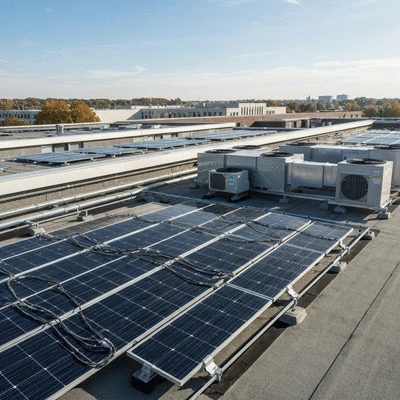
Low-slope roofs typically have a slope of less than 3:12, while flat roofs are almost level, with a slope of about 1:12. Both types offer distinct advantages, making them popular choices for commercial properties. The key characteristics of these roofing systems include their ability to provide ample roof space for installations, such as HVAC units, and their potential to support rooftop gardens or solar panels, enhancing both functionality and sustainability.
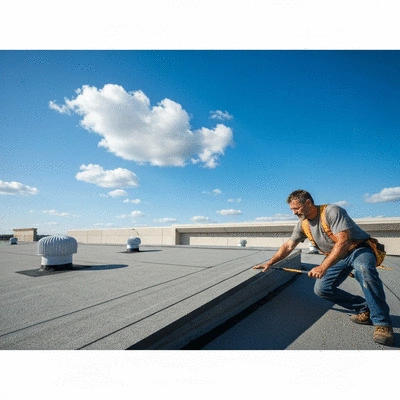
Defining Low-Slope and Flat Roofs: Key Characteristics
Let’s dive a little deeper into the specific characteristics that define low-slope and flat roofs. Here’s a simplified list to make things clearer:
- Low-Slope Roofs: Have a gentle incline, allowing for drainage while still being accessible for maintenance.
- Flat Roofs: Are almost level, typically designed with a slight slope for water drainage but offering a more expansive surface area.
- Material Options: Both options can utilize various materials like TPO, EPDM, and PVC, each providing unique benefits based on your building's needs.
Understanding these key characteristics helps you make informed decisions. For instance, if your Sydney building requires regular maintenance access, a low-slope roof might be more suitable.
The Importance of Choosing the Right Roofing System
Choosing the right roofing system is vital for safeguarding your commercial investment. A well-chosen roofing system can minimize maintenance costs and extend the lifespan of your roof. Here are some points to consider:
- Durability: The lifespan of your roofing material directly correlates with how well it withstands local weather conditions.
- Energy Efficiency: Selecting a roofing system with proper insulation can significantly reduce energy costs, especially in the warm Sydney climate.
- Compliance: Ensuring your roofing choice adheres to local building regulations is crucial to avoid costly penalties, as detailed in Australia's comprehensive guide to commercial roofing.
At Commercial Roofing Sydney North, we guide our clients in selecting roofs that not only fit their budget but also meet the specific needs of their buildings. Don't leave your roof to chance; let our expertise steer you in the right direction!
Exploring the Benefits of Roof Insulation for Low-Slope and Flat Roofs
Adding insulation to low-slope and flat roofs can provide considerable benefits for your commercial property. Here are a few reasons why insulation should be a priority:
- Temperature Regulation: Insulation helps maintain a consistent temperature inside your building, making it more comfortable for occupants.
- Energy Savings: Proper insulation minimizes heating and cooling costs, providing a solid return on your investment.
- Moisture Control: Insulated roofs can help manage condensation, reducing the risk of mold and structural damage.
Incorporating insulation into your roofing system can significantly enhance your building's efficiency. Our team at Commercial Roofing Sydney North is committed to helping you understand these benefits and implementing solutions tailored to your specific needs!
Pro Tip
When selecting a roofing solution for your commercial property, consider not only the upfront costs but also the long-term benefits. Investing in high-quality materials and proper insulation can lead to significant energy savings and reduced maintenance costs, ultimately providing a better return on investment.
Making the Right Choice: Key Takeaways for Sydney Commercial Building Owners
As a commercial building owner in Sydney, choosing the right roofing solution can feel overwhelming. With various factors to consider, it’s essential to assess your options carefully. Start by asking yourself: what are the unique needs of your property? Every building is different, and so are the roofing solutions available. By taking the time to evaluate your choices, you can ensure that you select a roofing system that fits both your budget and your long-term goals.
When looking at roofing options, consider aspects such as durability, energy efficiency, and maintenance requirements. Each of these factors plays a significant role in the overall performance of your roof. I recommend creating a checklist to compare different types of roofing materials and their benefits. This way, you'll have a clearer understanding of what might work best for your commercial property!
Assessing Your Options: Finding a Suitable Roofing Solution
To effectively assess your roofing options, start by evaluating the following key criteria:
- Building structure: Consider whether your building is flat or sloped, as this can influence material choice.
- Climate considerations: Sydney's unique weather patterns can affect material durability and energy efficiency.
- Budget constraints: Determine your budget for both installation and long-term maintenance.
- Energy efficiency goals: Look for materials that can enhance your building's energy performance.
By focusing on these criteria, you can narrow down the options that best suit your building's needs and your budget!
Utilizing Local Expertise: Why Professional Assessments Matter
Engaging with local professionals is vital when deciding on a roofing solution. At Commercial Roofing Sydney North, we offer comprehensive assessments that take into account the specific needs of your property. Our expert team can identify potential challenges and provide tailored recommendations. This local expertise not only saves you time but also ensures that your chosen roofing system aligns with Sydney's building codes and regulations.
Remember, a professional assessment can uncover issues that might not be immediately visible. This proactive approach allows you to address potential problems before they escalate, ultimately saving you money in the long run!
Understanding the Importance of Roofer Certifications and Expertise
As you evaluate roofing options, it's crucial to consider the certifications and expertise of the contractors you engage. Here’s why:
- Quality assurance: Certified roofers have undergone rigorous training to ensure high-quality workmanship.
- Reliable materials: Experienced contractors can recommend materials that are best suited for your building and climate.
- Warranties and guarantees: Working with certified professionals often comes with warranties that protect your investment, as highlighted by Sydney Roofing and Gutters resources.
When choosing a roofing contractor, look for those with solid credentials and a proven track record. This not only gives you peace of mind but also enhances the likelihood of a successful roofing project!
Your Next Steps: Engaging with Local Roofing Services
Once you’ve assessed your options and gathered valuable information, the next step is to engage with local roofing services. This process can help you make informed decisions that align with your property needs and budget.
Requesting a Free Assessment: What to Expect
At Commercial Roofing Sydney North, we offer free assessments to help you understand your roofing needs better. Here's what you can expect during a typical assessment:
- Site visit: Our team will inspect your roof and identify any visible issues.
- Consultation: We’ll discuss your goals, budget, and any specific concerns you may have.
- Recommendations: Based on our findings, we’ll provide tailored recommendations that suit your needs.
- Cost estimates: We'll offer an overview of potential costs involved, ensuring transparency.
This initial step is designed to provide you with valuable insights and set the foundation for a successful roofing project!
Understanding Cost-Benefit Analysis: Is It Worth the Investment?
Investing in a roofing solution is a significant decision, and conducting a cost-benefit analysis is essential. Consider the following factors:
- Initial installation costs: Compare quotes from different contractors to get a clear picture.
- Long-term savings: Assess how energy-efficient solutions can lower ongoing utility costs.
- Maintenance expenses: Factor in potential maintenance costs over the roof's lifespan.
- Property value increase: A high-quality roof can enhance your property's market value.
Understanding these aspects will help you determine if the investment aligns with your financial goals and property needs.
Exploring Warranty Claims and What They Mean for Your Investment
Warranties are a crucial aspect of roofing investments, offering protection against defects and premature failures. Here’s what to keep in mind:
- Types of warranties: Familiarize yourself with both manufacturer and workmanship warranties.
- Claim process: Understand the procedures for filing warranty claims in case of issues.
- Coverage details: Know what’s included and excluded under the warranty terms.
A thorough understanding of warranties can safeguard your investment and provide peace of mind as you move forward with your roofing project!
Stay Informed: Resources for Further Research
As you navigate your roofing decisions, staying informed is key. There are numerous resources available to help you gain deeper insights.
FAQs about Commercial Roofing Solutions
Here are some frequently asked questions that can provide clarity on common concerns regarding commercial roofing:
- What is the primary difference between a low-slope roof and a flat roof?
Low-slope roofs have a gentle incline (typically less than 3:12), facilitating drainage, while flat roofs are nearly level (around 1:12 slope) with a slight pitch for water runoff.
- Why is roof insulation important for commercial buildings in Sydney?
Insulation helps maintain consistent indoor temperatures, significantly reduces heating and cooling costs, and minimizes condensation that can lead to structural damage and mold, especially in Sydney's climate.
- What factors should I consider when choosing a roofing system for my commercial property?
Key factors include the building's structure (flat vs. sloped), Sydney's climate, your budget, energy efficiency goals, and the desired durability and maintenance requirements of the roofing material.
- How do I ensure the quality of workmanship when hiring a roofing contractor?
It is crucial to engage certified and experienced roofing contractors. Their certifications indicate rigorous training and high-quality workmanship, and they often provide reliable material recommendations and warranties that protect your investment.
- What are the benefits of requesting a free assessment from a local roofing service?
A free assessment provides valuable insights into your roofing needs through a site visit, consultation, tailored recommendations, and transparent cost estimates, helping you make informed decisions for your project.
Connecting with Local Experts: Building a Reliable Network
Establishing connections with local roofing experts can be invaluable. Consider:
- Networking opportunities: Attend local industry events and workshops.
- Online communities: Join forums and social media groups focused on commercial roofing.
- Referrals: Ask fellow business owners for recommendations on trusted contractors.
Building a reliable network of experts can provide ongoing support and guidance for your roofing needs.
Utilizing Roof Lifecycle Analysis for Sustainable Decision-Making
A roof lifecycle analysis helps you understand the long-term performance and sustainability of roofing options. Here are key aspects to evaluate:
- Material durability: Assess how materials stand up to Sydney's weather conditions over time.
- Energy efficiency: Evaluate how different roofing systems impact energy consumption.
- End-of-life considerations: Understand disposal and recycling options for your roofing materials.
Incorporating lifecycle analysis into your decision-making process can lead to sustainable roofing choices that benefit both your business and the environment!
Recap of Key Points
Here is a quick recap of the important points discussed in the article:
- Low-Slope vs. Flat Roofs: Low-slope roofs have a slope of less than 3:12, while flat roofs are nearly level, designed for efficient drainage.
- Material Options: Both roofing types can utilize materials like TPO, EPDM, and PVC, each offering unique advantages for your building.
- Importance of Insulation: Adding insulation enhances energy efficiency, temperature regulation, and moisture control in both roof types.
- Professional Assessments: Engaging local experts for assessments ensures your roofing choice meets building codes and addresses potential challenges.
- Warranties Matter: Understanding warranty types and processes protects your investment and ensures quality workmanship from your contractors.
Evelyn Carter
Evelyn Carter is a seasoned expert in the commercial roofing industry, bringing over a decade of experience to the table. With a passion for quality craftsmanship and customer satisfaction, Evelyn has dedicated her career to providing businesses in Sydney North with reliable roofing solutions tailored to their specific needs.
At Commercial Roofing Sydney North, our mission is to provide superior roofing solutions that enhance the safety, durability, and aesthetic appeal of commercial properties. We are guided by our core values of integrity, excellence, and customer focus, ensuring that every project not only meets but exceeds our clients' expectations.
Request a Roofing Quote
Popular Posts
Commercial Roof Restoration Services Manly Vale NSW
![Commercial Roof Restoration Manly Vale NSW]() What if a simple inspection could prevent major roof repairs? In the world of commercial roofing, un
What if a simple inspection could prevent major roof repairs? In the world of commercial roofing, un
 What if a simple inspection could prevent major roof repairs? In the world of commercial roofing, un
Commercial Roof Restoration Freshwater NSW
![Commercial Roof Restoration Freshwater NSW]() Have you ever found yourself questioning the true value of maintaining your commercial roof? The ans
Have you ever found yourself questioning the true value of maintaining your commercial roof? The ans
 Have you ever found yourself questioning the true value of maintaining your commercial roof? The ans
Commercial Roof Restoration Services Asquith NSW
![Commercial Roof Restoration Asquith NSW]() Did you know that maintaining your commercial roof can save you significant costs in the long run? I
Did you know that maintaining your commercial roof can save you significant costs in the long run? I
 Did you know that maintaining your commercial roof can save you significant costs in the long run? I
DIY or Professional Roof Installation?
![DIY or Professional Roof Installation?]() As you weigh the options between DIY and professional roof installation for your commercial property
As you weigh the options between DIY and professional roof installation for your commercial property
 As you weigh the options between DIY and professional roof installation for your commercial property