Have you considered how the right roofing system can not only protect your business but also save you money in the long run? Understanding the key differences between TPO and EPDM roofing can significantly impact your decision-making process and overall satisfaction with your commercial property.
What You Will Learn
TPO roofing features a reflective surface that enhances energy efficiency and can lower cooling costs.
EPDM is celebrated for its durability and long lifespan, making it a reliable choice in extreme weather conditions.
While TPO may have higher initial installation costs, its energy savings can provide a solid return on investment over time.
Understanding local climate and building regulations is crucial in selecting the best roofing solution for your specific needs.
TPO vs. EPDM Roofing Systems Comparison
This comparison highlights the key features and benefits of TPO and EPDM flat roofing systems, crucial for informed decision-making in commercial applications.
TPO Roofing System
A single-ply membrane combining polypropylene and ethylene-propylene rubber.
✓Energy Efficiency: Reflective surface reduces energy costs.
✓Sustainability: Made from recyclable materials.
✓Cost: Higher upfront, but energy savings balance over time.
EPDM Roofing System
A synthetic rubber membrane, highly resistant to UV radiation and extreme weather.
✓Resilience: Excellent resistance to wind and hail.
✓Cost: Lower initial cost, providing quick ROI.
TPO and EPDM Flat Roof Systems: Understanding Key Features and Benefits
When it comes to choosing the right roofing solution for your commercial property, TPO (thermoplastic polyolefin) and EPDM (ethylene propylene diene monomer) are two popular contenders. Each of these flat roofing systems offers distinct characteristics that cater to various industrial applications. In this section, we’ll delve into what TPO and EPDM are and explore their benefits, particularly in the context of our services at Commercial Roofing Sydney North.
Both TPO and EPDM roofing systems are designed to provide strong, durable protection for your building. TPO is known for its reflective surface, which can help reduce energy costs, while EPDM is renowned for its resilience and longevity. Understanding these differences can help you make a more informed decision about which roofing system will best meet your needs.
What Are TPO and EPDM Roofing Systems?
Let's break down the basics of these roofing systems:
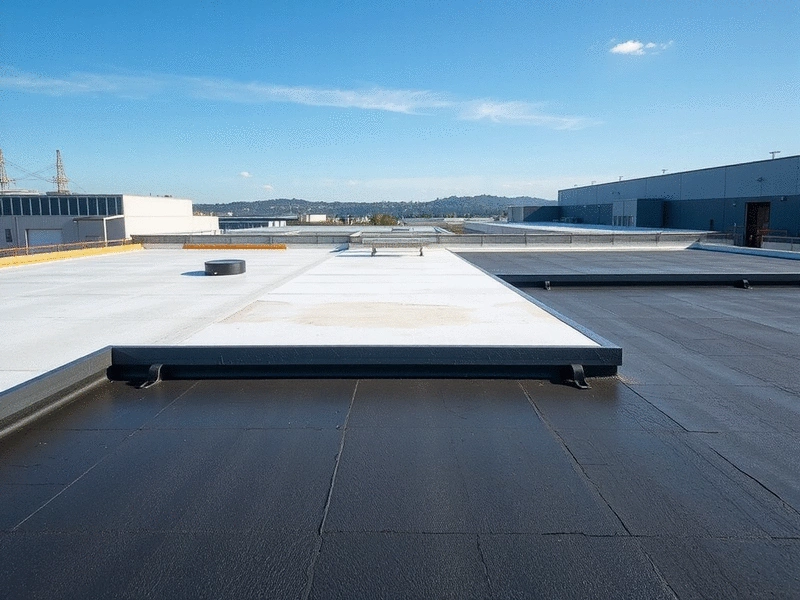
TPO: A single-ply membrane that combines polypropylene and ethylene-propylene rubber. TPO is favored for its energy efficiency due to its reflective white surface, which helps keep buildings cooler.
EPDM: A synthetic rubber membrane that is highly resistant to UV radiation and extreme weather conditions. It has been a reliable choice for many years due to its durability and flexibility.
At Commercial Roofing Sydney North, we often recommend TPO for its modern energy benefits, especially for businesses looking to minimize their energy expenses. EPDM, on the other hand, is perfect for those seeking a proven, durable option that can withstand Sydney's challenging weather conditions.
Comparative Benefits of TPO and EPDM for Industrial Applications
Choosing between TPO and EPDM involves weighing their unique benefits:
Energy Efficiency: TPO’s reflective properties can lead to significant energy savings, especially during hot summers.
Durability: EPDM is exceptionally robust, offering excellent resistance to wind and hail, making it a long-lasting option.
Cost-Effectiveness: While TPO often has a higher upfront cost, its energy savings can balance the investment over time. EPDM tends to have a lower initial cost, providing quick ROI.
It's crucial to assess what matters most for your facility. For instance, if your priority is sustainability and energy savings, TPO might be the go-to. However, if long-term durability and lower initial costs are your focus, EPDM is an excellent choice for your commercial roofing needs.
Exploring the Environmental Impact of TPO and EPDM Roofing
Both TPO and EPDM offer sustainability benefits, but they do so in different ways. TPO's reflective surface not only reduces energy consumption but also helps in lowering the urban heat island effect. This is particularly important in densely populated areas like Sydney North.
EPDM: While not as reflective, EPDM can last over 50 years, reducing the need for replacement and waste generation. This longevity is a significant environmental benefit, as it minimizes the resources required for manufacturing and installation over the building's lifespan.
As we consider roofing solutions for our clients, we emphasize the importance of choosing materials that align with environmental goals. At Commercial Roofing Sydney North, we strive to support businesses in implementing roofing systems that not only protect their investments but also contribute positively to the environment.
Quick Summary
Here's a brief recap of the key points discussed so far:
TPO: Offers energy efficiency with its reflective surface, making it ideal for reducing cooling costs.
EPDM: Known for its durability and long lifespan, providing excellent resistance to harsh weather conditions.
Environmental Impact: Both systems contribute to sustainability, but in different ways—TPO through recyclability and EPDM through longevity.
Frequently Asked Questions About TPO and EPDM Roofing
Here are some common questions regarding TPO and EPDM roofing systems:
What is the main difference between TPO and EPDM roofing? TPO (Thermoplastic Polyolefin) is a single-ply, reflective membrane known for its energy efficiency, often helping reduce cooling costs. EPDM (Ethylene Propylene Diene Monomer) is a synthetic rubber membrane celebrated for its exceptional durability, longevity, and resistance to harsh weather conditions.
Which roofing system is more energy-efficient? TPO roofing systems are generally more energy-efficient due to their reflective white surface, which bounces sunlight away from the building and helps to lower internal temperatures and reduce air conditioning costs.
Which roofing system is more durable? EPDM is highly regarded for its durability and longevity, often lasting over 50 years. It offers excellent resistance to UV radiation, wind, and hail, making it a robust choice for extreme weather.
Is TPO or EPDM more cost-effective? EPDM typically has a lower initial installation cost, offering a quicker return on investment. TPO may have a higher upfront cost, but its energy savings over time can balance out this initial expense, leading to long-term cost benefits.
Do TPO and EPDM contribute to environmental sustainability? Yes, both do, but in different ways. TPO is made from recyclable materials and its reflective properties help reduce the urban heat island effect. EPDM's extreme longevity reduces the need for frequent replacements, thereby minimizing waste generation and resource consumption over its extensive lifespan.
Local Insights: Choosing the Right Roofing Solution for Sydney Warehouses
When it comes to selecting the right roofing system for your warehouse in Sydney, there are several key factors to consider. The requirements of your specific facility, alongside local climate conditions, can significantly influence your choice. At Commercial Roofing Sydney North, we often emphasize the importance of understanding your unique needs to ensure you select a roofing system that delivers long-lasting performance.
Start by evaluating the following aspects:
Building Purpose: What will the warehouse be used for? Storage, manufacturing, or distribution?
Environmental Considerations: How does Sydney's coastal climate impact potential roofing materials?
Energy Efficiency Goals: Are you looking to minimize energy costs with reflective roofing options?
By thoroughly assessing these elements, you can narrow down your options and find the roofing system that aligns best with your operational requirements and environmental goals!
Compliance with Australian Building Codes and Standards
Understanding local regulations is crucial when installing a roofing system for your warehouse. In Sydney, compliance with Australian building codes and standards ensures that your roofing project meets safety and quality guidelines. At Commercial Roofing Sydney North, we actively stay updated on these regulations, guiding our clients through the necessary compliance processes. It's especially important to consider these regulations for the safe installation of rooftop solar panels, as SafeWork NSW provides findings reports on this topic.
Here are some key standards to keep in mind:
AS/NZS 1170: Structural design actions, ensuring your roof can withstand environmental loads.
AS 3959: Construction of buildings in bushfire-prone areas, which might be relevant in certain regions.
AS/NZS 3500: Plumbing and drainage standards relating to roof drainage systems.
By adhering to these codes, you not only ensure safety but also enhance the longevity of your roofing installation. Always consult with a professional to navigate these requirements effectively!
Exploring Local Suppliers for Roofing Materials and Services
Building relationships with local suppliers is a vital strategy for ensuring access to quality materials and services when installing TPO or EPDM roofing systems. There’s a wealth of reputable suppliers in Sydney that can cater to your specific roofing needs.
To help you get started, here are some suggestions for connecting with local suppliers:
Attend Local Trade Shows: These events are perfect for networking and discovering the latest roofing products.
Check Online Directories: Websites like Yellow Pages or local business directories can lead you to trustworthy suppliers.
Ask for Recommendations: Reach out to fellow business owners or contractors for their experiences with local suppliers.
By partnering with local suppliers, you not only support the community but also ensure you're getting materials that are suitable for the local climate and conditions.
Recap of Key Points
Here is a quick recap of the important points discussed in the article:
TPO roofing: Offers energy efficiency with its reflective surface, ideal for reducing energy costs.
EPDM roofing: Known for its durability and resistance to extreme weather conditions, making it a long-lasting choice.
Cost considerations: TPO may have higher upfront costs but can save money in the long run through energy efficiency, while EPDM typically has lower initial costs.
Environmental benefits: TPO's recyclability and reflective properties contrast with EPDM's longevity, which reduces waste over time.
Local climate factors: Understanding Sydney's climate is crucial for selecting the appropriate roofing material.
Regulatory compliance: Adhering to local building codes ensures safety and enhances the longevity of roofing installations.
Supplier relationships: Building connections with local suppliers can provide access to quality materials tailored for local conditions.
Evelyn Carter
Evelyn Carter is a seasoned expert in the commercial roofing industry, bringing over a decade of experience to the table. With a passion for quality craftsmanship and customer satisfaction, Evelyn has dedicated her career to providing businesses in Sydney North with reliable roofing solutions tailored to their specific needs.
At Commercial Roofing Sydney North, our mission is to provide superior roofing solutions that enhance the safety, durability, and aesthetic appeal of commercial properties. We are guided by our core values of integrity, excellence, and customer focus, ensuring that every project not only meets but exceeds our clients' expectations.
Commercial Roofing Sydney North is dedicated to providing businesses in Sydney North with reliable and high-quality roofing solutions. Our mission is to enhance the safety and durability of your commercial properties with actionable insights and expert craftsmanship.

 Exploring the Environmental Impact of TPO and EPDM Roofing